

Linear lighting continues to take share from traditional fixtures in commercial and residential projects, and strip-based systems are the engine behind that shift. For importers and distributors planning next year’s catalogs, a grounded linear LED lighting market forecast matters more than ever: it decides which configurations to stock, which certifications to prioritize, and how much flexibility to build into supplier agreements. According to industry observation, demand growth remains steady across architecture, retail, and industrial renovation — with the interesting changes happening in product mix rather than total volume. This forecast-style analysis walks through the drivers, the product trends, and the sourcing implications worth acting on now — with the caveat that regional regulation and freight conditions, not global averages, will decide each buyer’s actual numbers.
Demand Drivers: Renovation, Retail, and Architecture
Three demand streams keep linear LED lighting growing. Architectural and commercial renovation replaces outdated fluorescent and halogen fixtures with continuous lines of light — a segment that rewards slim profiles and seamless output. Retail and hospitality refresh cycles favor adjustable, scene-capable lighting, pulling tunable and addressable options into the mix. And industrial spaces — warehouses, workshops, parking — convert to linear LED for maintenance savings. According to industry observation, renovation-driven demand is the most resilient of the three, because it is triggered by building age and energy costs rather than discretionary budgets.
Product Mix: Where the Volume Is Moving
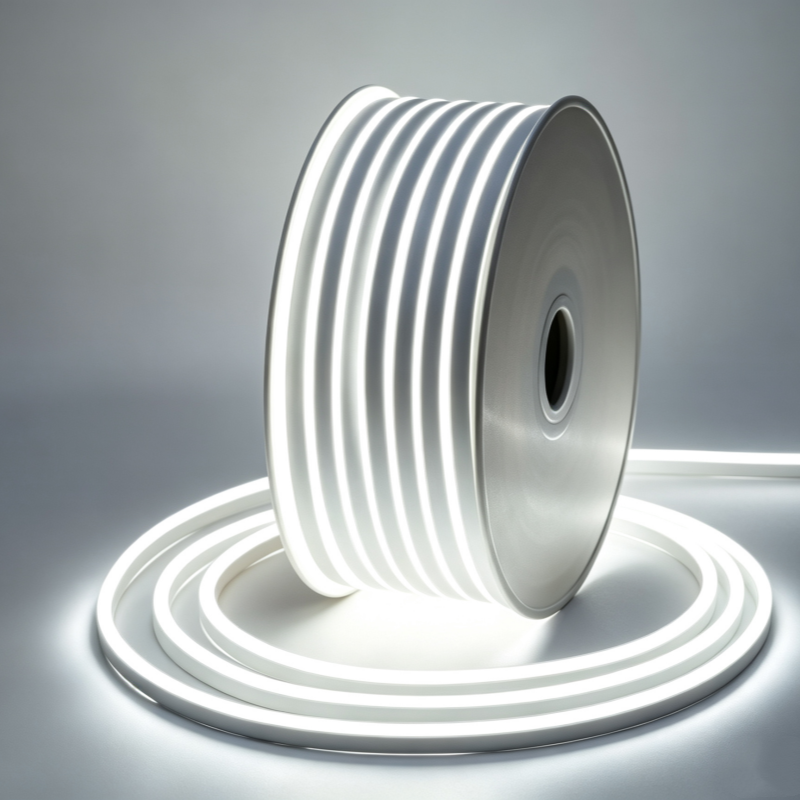
Within linear lighting, the mix keeps shifting toward higher performance and simpler installation. High-density COB constructions dominate new specifications for visible runs, while high-voltage direct-wire strips — such as the GPD 230V neon and rigid strip series — grow in projects that want driver-free installation and long continuous runs without voltage drop. Waterproof neon-style lines expand outdoor and facade applications. According to industry observation, buyers increasingly consolidate onto fewer platforms with more configuration options, which favors suppliers with broad, documented ranges like the COB LED strip family.
Efficiency Rules and Certification Momentum
Regulation continues to reshape the market from the specification side. Ecodesign requirements in Europe, state-level efficiency programs in the US, and similar tightening across the Middle East and Asia keep raising efficacy floors and documentation expectations. For linear lighting this translates into practical demands: better lumen-per-watt figures, photometric files for exact configurations, and Declarations of Conformity that match ordered models. Importers who treat certification readiness as part of the product — rather than an afterthought — move faster through tenders and retail onboarding alike, a discipline introduced in our EU and US certification guide.
Regional Patterns Worth Tracking
Demand does not move in lockstep across regions, and blended market commentary can hide that. In Europe, renovation and energy-driven upgrades dominate, which favors high-efficacy, well-documented products. In the United States, residential decoration and commercial refreshes run on different cycles, and buyers expect NRTL-listed options for installed work. Project-driven markets in the Middle East and Australia tend to concentrate volume into fewer, larger tenders with strict IP and voltage requirements. According to industry observation, suppliers who keep regional variants — voltage, IP rating, CCT preferences — ready in their catalogs respond faster to these shifts without re-engineering product lines.
Sourcing Implications for the Coming Cycle
The forecast for buyers is less about predicting a number and more about positioning. According to industry observation, suppliers with vertically organized production and rolling material purchases consistently deliver shorter lead times and more stable pricing through demand peaks. The practical moves: share rolling forecasts early, qualify alternates within a supplier’s range so disruptions do not stall projects, and hold safety stock on fast-moving SKUs while ordering custom configurations against confirmed demand. Buyers who ran this playbook through the last two cycles report smoother inventory and fewer emergency air shipments.
Frequently Asked Questions
Is linear LED lighting still growing, or is the market saturated?
According to industry observation, growth continues, driven by renovation conversions and the expansion of linear formats into outdoor, facade, and furniture applications. The mix shifts toward COB and higher-efficacy products even where total volume grows modestly.
Which product type should importers prioritize for next year?
High-density COB for visible architectural runs, high-voltage direct-wire strips for long seamless installations, and waterproof neon-style lines for outdoor — three segments that consistently appear in project demand.
How should pricing be planned against this forecast?
Agree adjustment windows tied to material indices with suppliers, and lock volumes for peak-season capacity early. Spot buying remains the most expensive way to serve a growing segment.
How does the high-voltage segment fit into the forecast?
It keeps a solid niche in long-run, driver-free installations — facades, coves in concrete, and retrofit projects where access to drivers is difficult. According to industry observation, 230V direct-wire lines hold their position exactly because they simplify installation, even as low-voltage COB wins the premium visible segment.
Positioning your catalog for the linear lighting cycle? GPD Technology manufactures COB, SMD, and high-voltage linear strip lights in Shenzhen, supporting forecast-based production, OEM configurations, and full documentation for importers and distributors. Contact our team to align your next-season plan.
