

For importers of LED strip lights, supply chain decisions have quietly become as important as product decisions. According to industry observation, the past two years have reshaped how LED strip lights are sourced: chip allocation, copper and FPC costs, freight cycles, and holiday production calendars all now move prices and lead times in ways that a purchase order alone cannot control. This LED strip supply chain analysis maps where the chain is most exposed and what importers, contractors, and distributors can do to stay ahead of it.
How the LED Strip Supply Chain Is Structured
A strip light travels through several hands before it reaches an installation. Upstream sit the LED chip makers and packaging houses, alongside suppliers of flexible copper-clad FPC material, phosphor mixes, resistors, and pressure-sensitive adhesive. The midstream is the strip factory itself, where chips are bonded or reflowed onto the FPC, coated, aged, and cut. Downstream come drivers, connectors, dimmers, and finally freight forwarders. Each layer adds lead time, and the layers with the least inventory — usually chips and specialty FPC — are the ones that wobble first when demand spikes.
What Moves Costs and Lead Times
According to industry observation, three forces dominate. First, raw material drift: copper and FPC substrate prices flow directly into strip costs, while gold used in bonding affects chip pricing upstream. Second, capacity cycles: high-density COB lines and popular color temperatures sell out first ahead of peak seasons. Third, logistics swings that change the total landed cost even when the ex-works price holds. None of these moves on a fixed schedule, which is why a static price list ages quickly in this category.
Sourcing Implications for Importers and Distributors
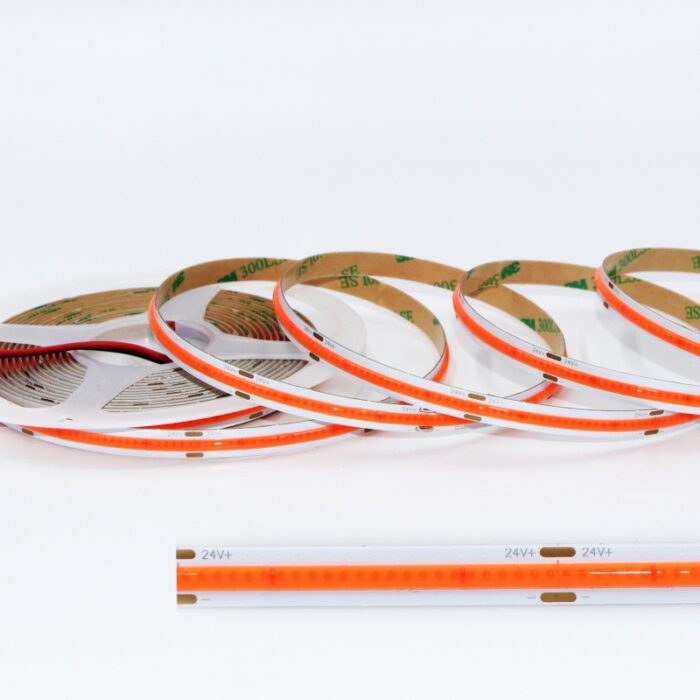
The practical response is to buy structure, not just product. Buyers who source COB LED strip lights directly from manufacturers — rather than through trading layers — see problems earlier and get capacity reserved sooner. Two habits stand out. Keep a rolling forecast shared with your factory so chip and FPC purchases can start before your own stock runs low. And qualify a second specification, not only a second supplier, so a disruption on one model does not stop your projects. Our GPD COB 10mm 480D 24V 14.5W strip page shows the specification depth that makes such qualification faster, and the full COB LED strip range gives alternates within one documentation standard.
A Short Checklist Before Your Next Order
- Confirm production windows around major holidays and ask how far in advance materials are ordered.
- Agree on price-adjustment triggers for copper or chip movements instead of absorbing surprise surcharges.
- Hold safety stock on fast-moving SKUs and accept longer lead times only for custom configurations.
- Keep documentation with the goods — test reports and declarations travel with the shipment, as covered in our earlier certification guide.
Supply chains reward buyers who communicate early and penalize those who negotiate late. Background on specifications and testing is available in our Technical Support knowledge base.
Frequently Asked Questions
Which part of the LED strip supply chain causes the most delays?
According to industry observation, chip allocation and specialty FPC material are the most common bottlenecks, especially for high-density COB configurations during peak season.
Should importers hold their own inventory?
For fast-moving SKUs, yes. Safety stock on standard models paired with factory-side material reservations covers most demand spikes without tying up capital on custom items.
How far ahead should a seasonal order be placed?
As a rule of thumb used across the trade, place seasonal orders early enough for materials to be purchased and strips to be aged and tested — typically well before the peak shipping period begins.
Looking for a stable LED strip supply partner? GPD Technology manufactures COB and SMD strip lights in Shenzhen, supports forecast-based production planning, and ships worldwide for importers, contractors, and distributors. Contact our team to discuss your sourcing plan.

One thought on “LED Strip Supply Chain Analysis: What Importers Should Know”